Nature’s Faces: The Artwork That Revealed Itself in an Instant
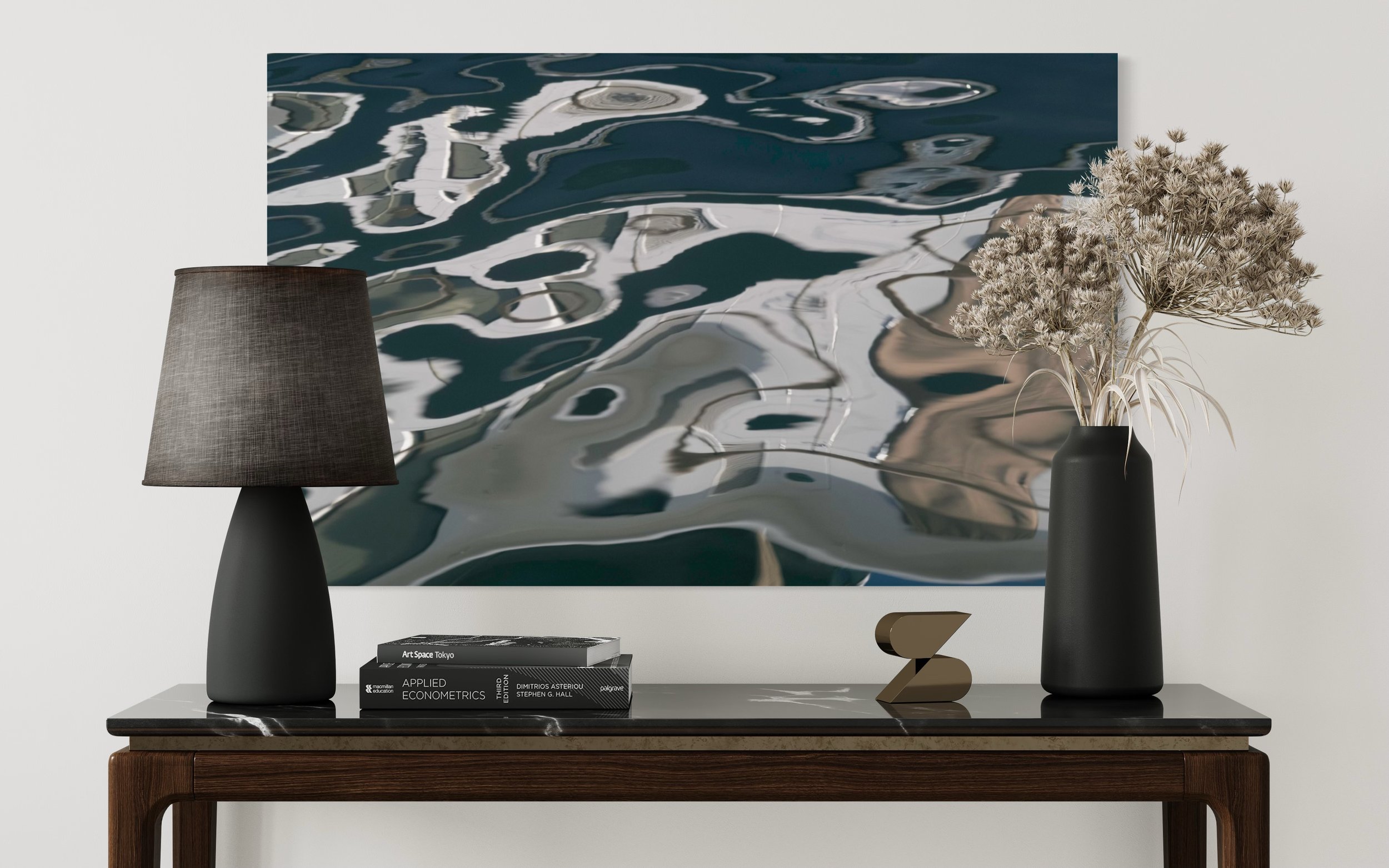
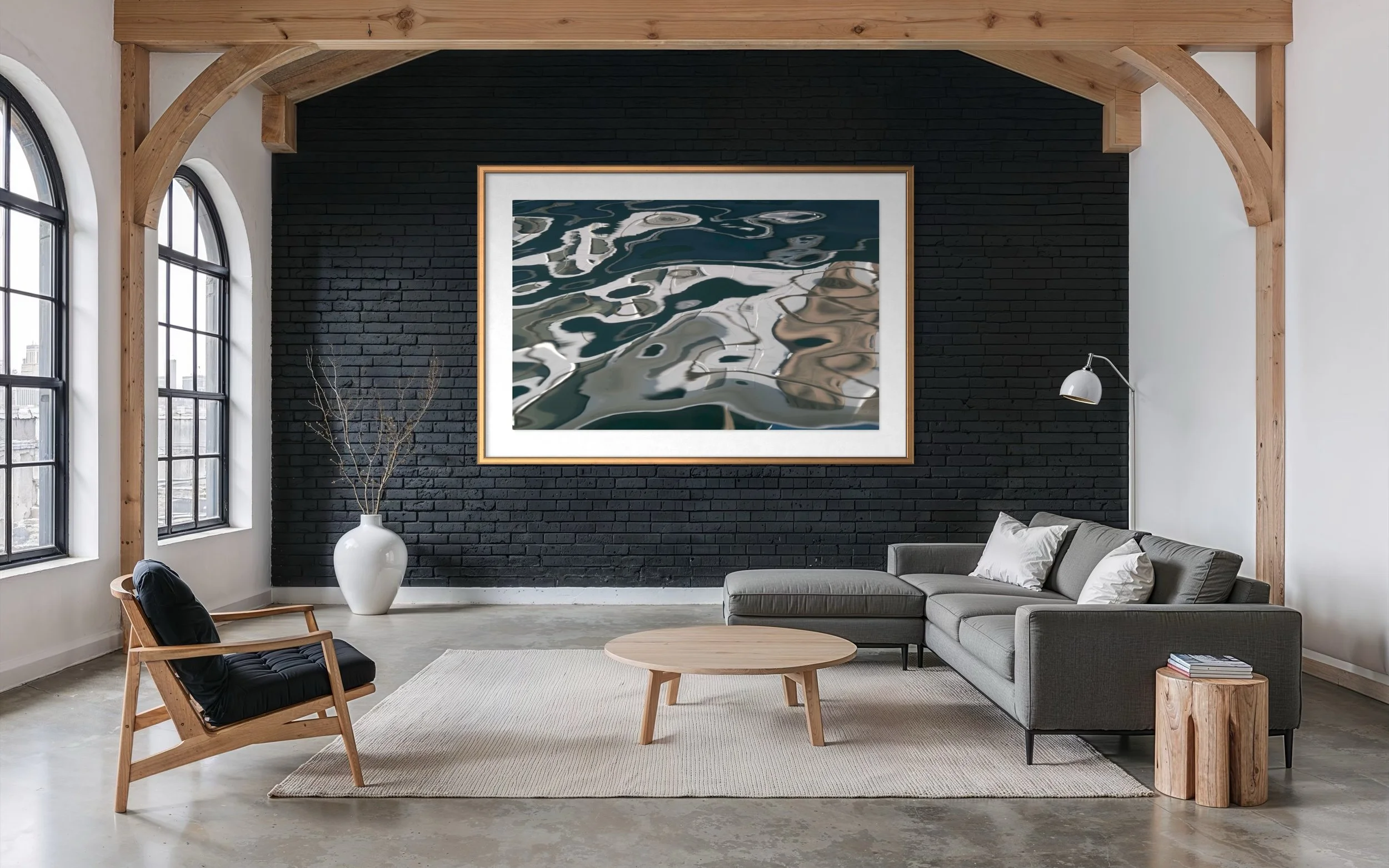
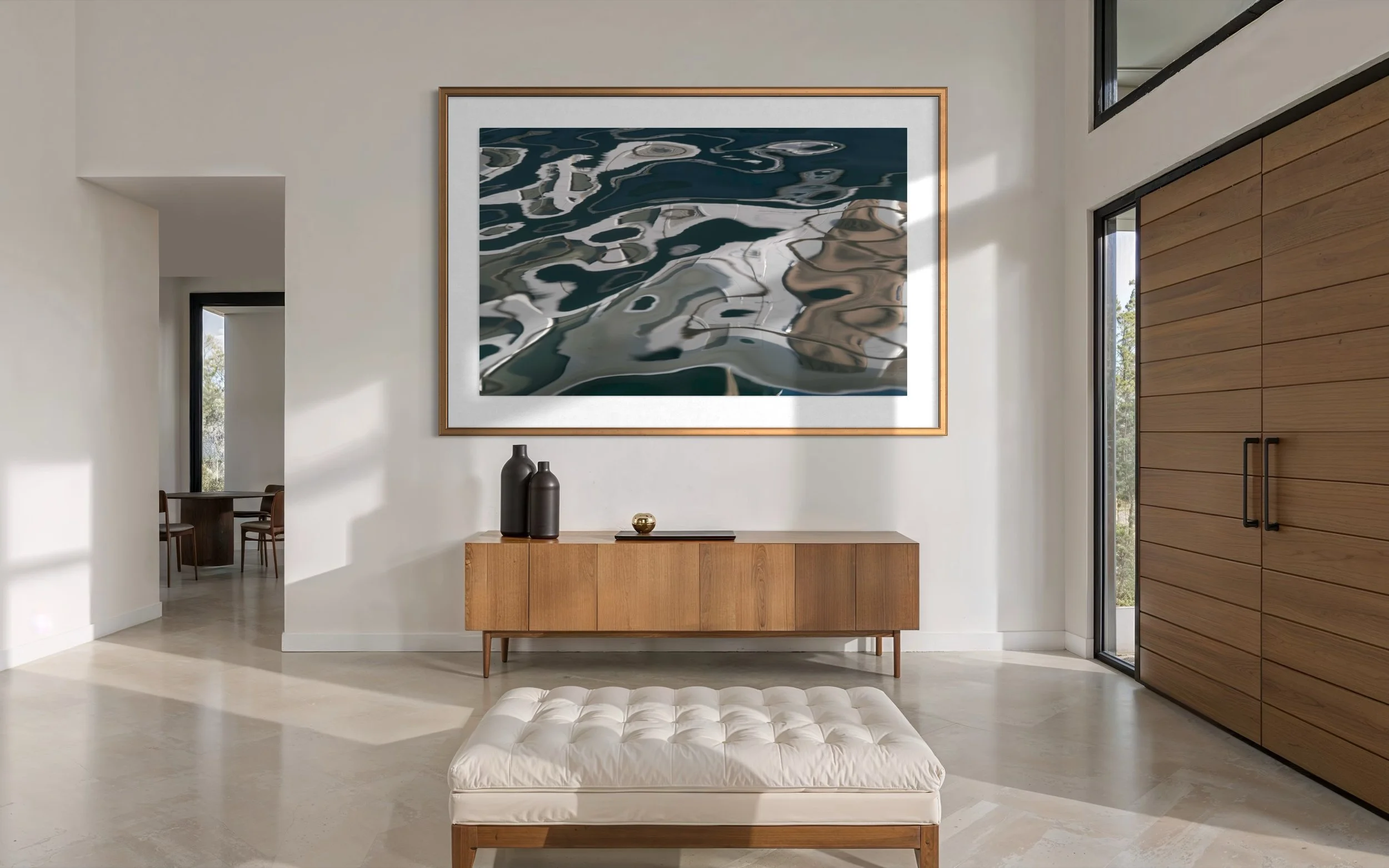
I photographed this reflection yesterday.
There was no long contemplation, no weeks of uncertainty — just that electric moment when something catches your eye, and you instinctively know: there’s something here.
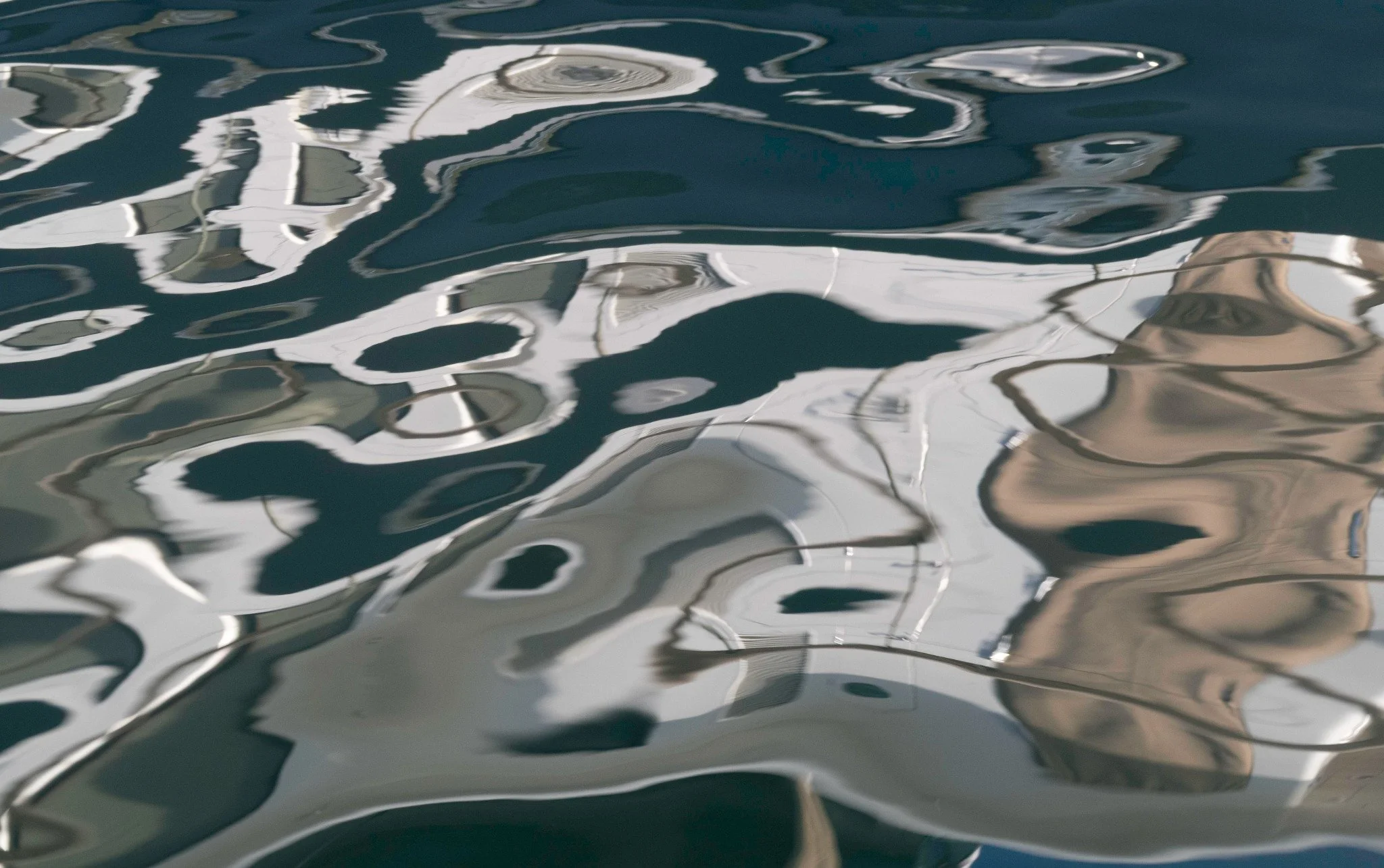
At first, what drew me in wasn’t the faces at all.
It was the three-degree effect — that razor-thin angle where the water’s surface tilts just enough to bend the world into abstraction. For me, these moments are pure instinct: immediate art, created in real time, guided by perception rather than intention.
Looking at the raw photograph, I was fascinated by the distortion — the way metal, sky, and shadow melted into soft curves and fluid geometry. I wasn’t thinking about meaning. I was responding to movement, light, and the way the harbour seemed to paint with its own hand.
Then, almost immediately, something shifted.
Within minutes of reviewing the file, I saw eyes appearing.
Contours forming.
Profiles revealing themselves.
It felt like the image was opening itself up — as if nature had taken the lead, and my only job was to witness what it wanted to show me.
Luma Dream Machine interprets Nature’s Faces
Curious, I asked ChatGPT to help me understand why these faces appeared so clearly, even though I hadn’t seen them when I pressed the shutter. The explanation was simple and yet deeply aligned with my practice:
The water offers the distortions.
Light shapes the forms.
And the subconscious completes the picture.
Photography becomes a translator between three worlds — the physical scene, the fluid behaviour of water, and the human impulse to find meaning in the abstract.
This is why Nature’s Faces feels like it exists in two dimensions simultaneously:
the literal world of reflection
and the imagined world of identity and expression
What should be a flat image instead carries presence — a sense that the water has momentarily shown its personality.
The title came immediately:
Nature’s Faces.
Because that’s exactly what it felt like — nature revealing the many selves hidden within its surface.
To push this discovery further, I created a short AI-driven film that visualises this moment of emergence — the way an abstract reflection suddenly takes shape, shifts, breathes, and becomes something more.
I invite you to watch the film.
The faces that appear may not be the ones I see — they’ll be the ones you bring to the encounter.