NEW LIMITED EDITION ARTWORK TO EXPLORE
Burning Outback
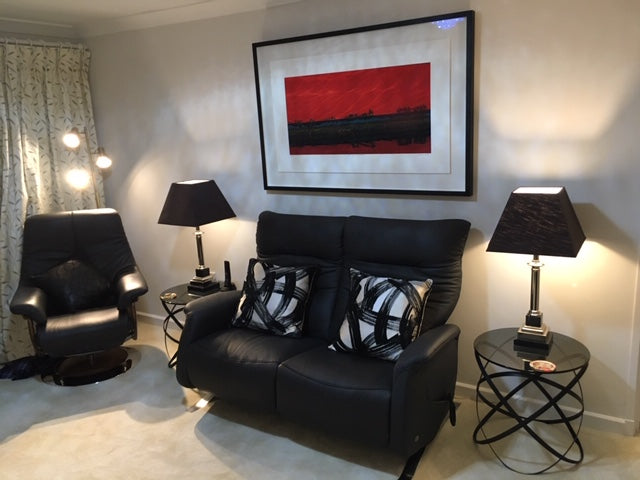
The artwork is a photography of an orange hulled boat at water line level and its reflection on the water and takes its inspiration from Australian landscape painters Tim Olsen and Fred Williams.
Invisible Eyes
Invisible Eyes is a deeply personal work, rooted in my connection to the land, water, and my search for identity as an Australian.
Captain C. Gull on Alert, Too
A playful nod to surrealism, this artwork captures a seagull with an almost human vigilance—transformed by nature’s own hand into a commanding presence.
MEET RALPH KERLE
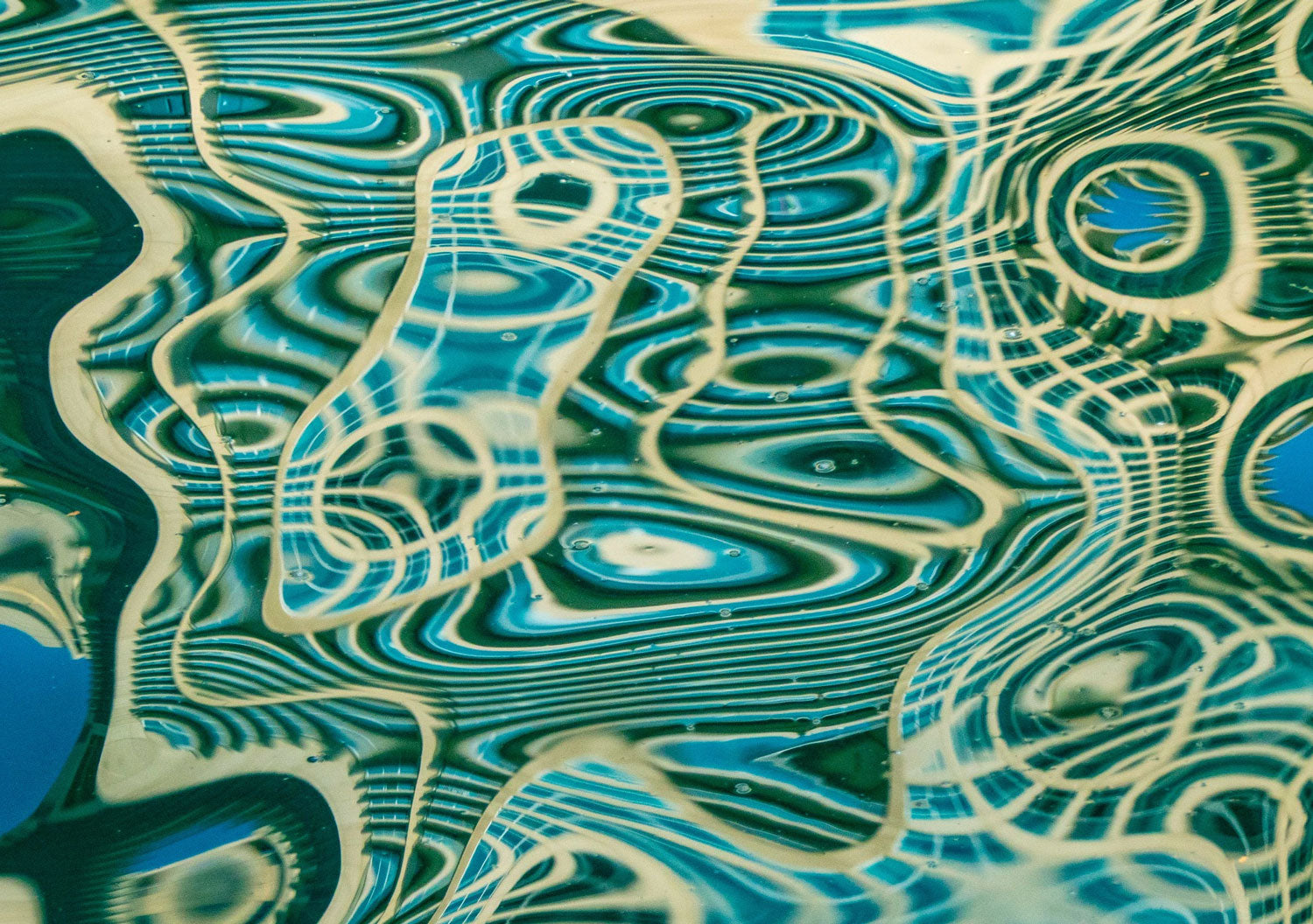
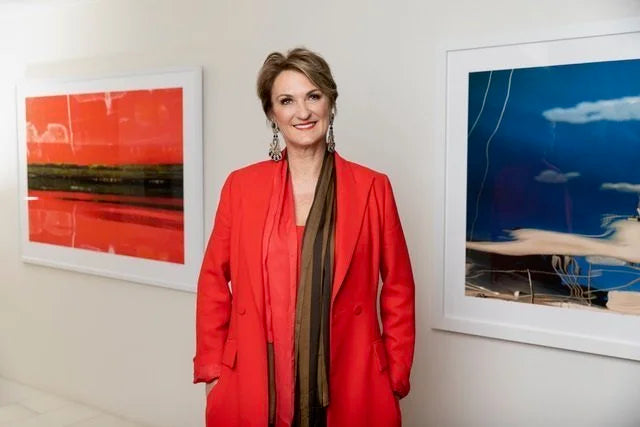
Ralph Kerle is one of Australia’s foremost contemporary abstract art photographers, based in Sydney, Australia. His work has been featured in numerous photography exhibitions and galleries in Australia and world-wide. He creates photographic art by capturing real abstract images that exist in nature, focusing on water surfaces to create an abstract form of ocean and nature art photography.
THE ART JOURNAL
Light Consciousness - A Psychedelic Travellers Journey by Roger Foley Fogg
I am delighted to be quoted in Roger Foley’s wonderful new book, Light Consciousness - A Psychedelic Travellers Journey which charts his career as one of Australia’s leading lighting designers. Roger began designing rock concerts and psychedelic light shows in the 1960s. His experimental work—including his lumino-kinetic Light Sculpture—continued through the 1970s and anticipated many of today’s multimedia installations and immersive experiences. Roger asked me to contribute my thoughts on abstract art and its creation after reading an earlier reflection on abstraction in my Art Journal. His book is an extraordinary record of the beginnings of an art form that has now become widely recognised and fashionable: the multimedia experience. A PDF copy of Roger’s book can be downloaded below. [Download Roger Foley’s book]
Learn moreKandinsee - Kandinsky, Matisse and Dalí in Reflected Water
Kandinsee, 2026. Reflected water, altered blue tones, and modernist influence converge in a single image There's a moment in every work when I sense whether it's ready to speak. This one wasn't — not at first. When I looked at the original photograph, the shapes I always look for were already there. A vertical figure rising from the water. A scatter of cut-out forms drifting on the surface. The interplay of something solid against something liquid. The bones of the work were present. But the blue stopped me. Usually my prefrontal cortex — that strange fountain of accumulated experience, of decades of galleries and books and remembered light — moves immediately. A title appears. An influence whispers itself. The work declares its lineage before I've finished blinking. This time, it stayed quiet. The blue in the water surface was too heavy, too settled. It stultified the cortex. It refused to lift. It refused to let the work become what I could feel it almost was. The original photograph, before Lightroom. The shapes are already there — the vertical figure, the cut-out forms, the wires turning to liquid — but the blue refuses to lift. The cortex stays quiet. So, for the first time, I made a change. I opened Adobe Lightroom and reached for the colour picker. I asked the software to mask what it called "the sky." The algorithm was lying — there was no sky in this photograph, only the surface of the water reflecting back. But I let the machine have its small mistake, and I lightened the blue. Gently. Then more. Until the background lifted. Kandinsee — after a single deliberate edit. The blue lightened just enough for Kandinsky, Matisse and Dalí to arrive. And then, finally, the work spoke. I saw Kandinsky — his vertical instinct, his belief that yellow and blue carry weight, his sense that a single line can hold a whole composition's tension. Yellow Blue Vertical, whispered through reflected water. I saw Matisse — the cut-out shapes drifting at the surface, simplified, sure of themselves, refusing the fuss of detail. And I saw Dalí — the hard objects of the everyday world rendered soft and pliable, melted by the water's slow breath. Wires, a chair, a figure, all turned to liquid memory. Hard and soft, holding hands. What surprises me is that none of this was painted. None of it was staged. It was already there, waiting in nature — in a few inches of moving water, on a day I happened to look down. For the first time, I admit it: I lifted one colour. I made one change. And in doing so, I let three modern masters arrive — already living, quietly, in the surface of a pond.
Learn moreThe Inner Life of Water - Serendipity, Curiosity, Ikigai
Water moves, Light welcomes colour and dances, A presence asks to be seen. Ralph Kerle 2026 It began, as it often does for me, on the water. I was kayaking on Sydney Harbour in extraordinary conditions—one of those April days where everything felt as if it had resolved itself into something complete. The air was clear, the water moving just enough to remain alive, and my body had settled into that familiar rhythm of stroke and glide. It was as if I had finally discovered it was nature that had created paradise. There is a point, out there, when something shifts. The mind stops organising the world and begins receiving it. It is not quite thinking, and not quite observation. It feels closer to meditation—though even that doesn’t fully describe it. A kind of openness arrives, and with it, something I can only call a heightened attentiveness. Not dramatic. Not mystical. But a clear sense that something is present—and asking to be noticed. It was in that state—still moving, still on the water—that the question first appeared. Not as a conclusion, but as a quiet insistence. What is it that happens in these moments? Why does something unexpected suddenly feel meaningful? And what is the force that makes me stay with it? A red hull drifted into view, its reflection slipping and reforming beneath it. For a moment, I found myself less interested in the object than in what it was becoming in the water—stable above, unstable below. Present, and yet constantly dissolving. And it was there, in that subtle shift of attention, that three ideas began to take shape. Serendipity. Curiosity. Ikigai. They did not arrive as definitions, but as recognitions—something I had been living without ever naming. And as I remained with them, still drifting, still watching, I felt the need to hold onto the thought before it disappeared back into the vault of the unconscious. So I began a different kind of conversation when I returned to the studio. Not with another person, but with a form of intelligence that does not experience the world as I do. It does not feel the water, or the air, or the quiet unfolding of that moment. And yet, it is capable of reflecting those experiences back to me in language—not unlike a film script being read for the first time. What follows is not a solitary essay, but a shaped exchange—between lived experience and expression, between perception and reflection. Emerging Warmth Serendipity: The Shock of Arrival To be in a serendipitous state is to feel something arrive before you understand it. There is a subtle interruption—a break in expectation. The world presents something that feels slightly out of place, yet deeply right. Time loosens. Attention sharpens. You are no longer moving through the moment; the moment is, in some sense, moving toward you. This is how it happens for me on the water. I do not set out to find a particular image. I am not searching in any conventional sense. And yet, from time to time, something presents itself with a clarity that feels undeniable. A reflection aligns. A form emerges. And in that instant, there is recognition before comprehension. Serendipity is not chance alone. It is the meeting point between what is offered—and what is noticed. On the Way to Bluedom Curiosity: The Pull of the Unfinished But the moment does not end there. What follows is curiosity—the quiet insistence that there is more here than I have yet seen. Curiosity does not rush. It lingers. It asks me to stay with the image, to shift position, to look again. What first appeared as a fleeting alignment begins to unfold into something more complex, more ambiguous, more alive. There is, within curiosity, a tension. To look closely is to risk seeing something unstable—something that shifts as we stay with it. The longer the gaze, the less certain the image becomes. This is true of the reflections I work with. They resist resolution. They refuse to settle into a single meaning. And it is precisely this instability that holds me there. Curiosity is not satisfied by answers; it is sustained by the possibility of seeing differently. In this way, the role of water begins to change. It is no longer simply a surface that reflects, but something that participates. Something that moves, distorts, reveals, and conceals all at once. What I am engaging with is not just an image. It is a relationship. The Redness in Reflection Ikigai: The State That Remains Over time, something begins to form. Not a single moment, but continuity between moments. Not a question, but a way of seeing that quietly repeats itself. Out there on the water, there are times when everything aligns without effort. The movements of the kayak, the rhythm of looking, the appearance of an image, the act of capturing it—they are no longer separate actions. They feel like part of the same flow. There is no sense of trying to make something happen. And yet, something is happening. It is not dramatic. It does not announce itself. It is simply… right. This, I think, is the closest I come to understanding the Japanese concept of Ikigai, often described as “a reason to wake up in the morning”—but out here, it feels less like something defined, and more like something recognised. A state I enter—again and again—when I remain open to what is in front of me, and attentive enough to follow it. The water has taught me this more than anything else. It never holds a single form, yet it is always itself. It shifts, adapts, reflects, and dissolves, without ever needing to decide what it is. And somewhere in that movement, I recognise something familiar. Not that I am observing the water—but that I am thinking with it. In this sense, Ikigai is not something separate from the world. It is a relationship to it. Water Percussion A Reflection on Intelligence What has surprised me most in writing this is not the ideas themselves, but the way they have taken shape. This essay has emerged through a dialogue. On one side, there is lived experience—embodied, sensory, immediate. The physical effort of paddling. The shifting surface of the water. The moment of recognition that arrives without warning. On the other, there is a form of intelligence that does not experience any of these things. It does not see, or feel, or inhabit the world. And yet, it is capable of reflecting those experiences back in language—organising them, extending them, giving them structure. In a way, this process mirrors the very phenomenon I have been describing. I encounter something in the world. It is reflected back to me in another form. And in that reflection, I begin to understand it more clearly. The relationship between perception and articulation becomes a kind of loop—one that deepens rather than resolves. If there is a single insight that has emerged from this reflection, it is this: Meaning is not something we impose on the world. It is something we enter into relationship with. Serendipity offers the moment. Curiosity asks us to remain. And over time, those moments begin to shape a life. A life that feels less like something we have planned— and more like something we have discovered. And sometimes, in the quiet balance of the water, something else is present— something that doesn’t belong to thought or perception at all. As Japanese haiku master, Matsuo Bashō understood, this meaning does not sit apart from the world—it appears in the act of noticing it. Ralph Kerle © April 2026 This essay was developed through a dialogue between lived experience and a form of reflective intelligence.
Learn more
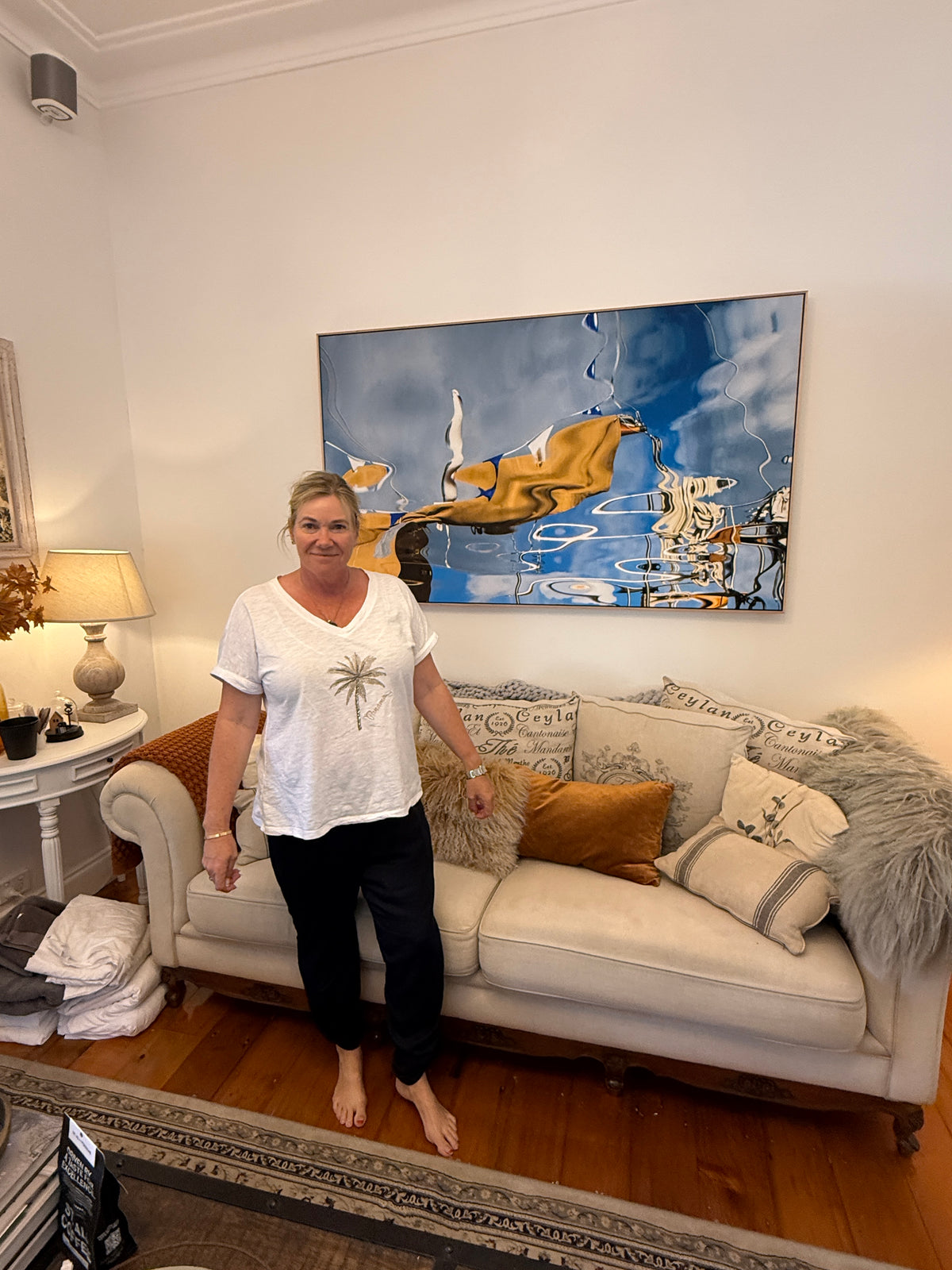
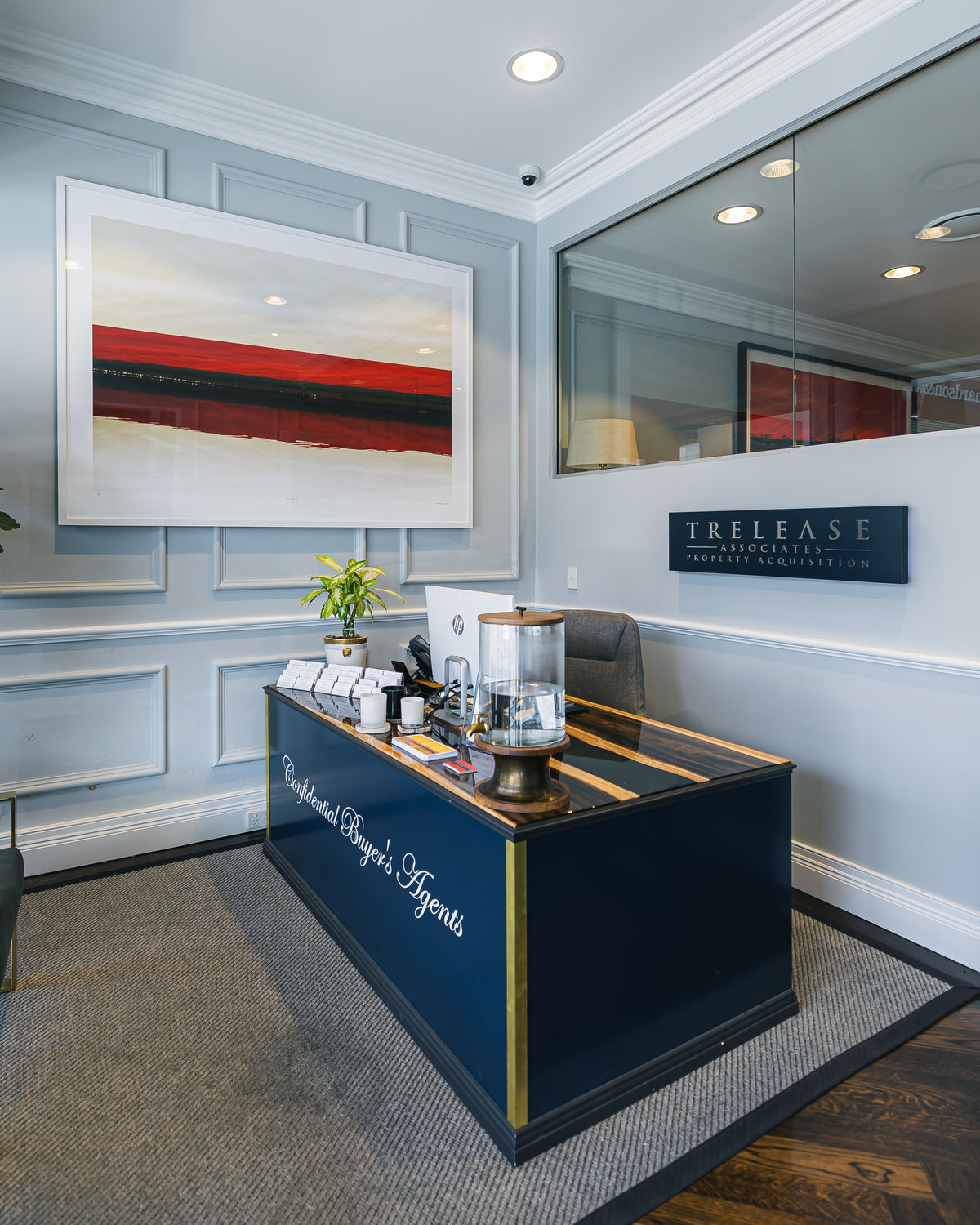
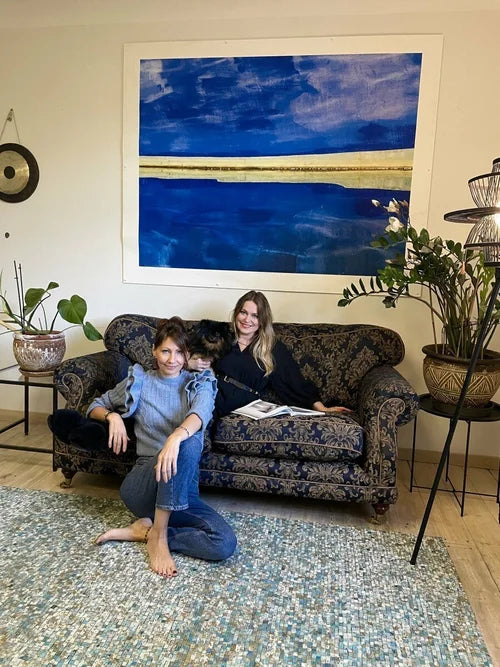
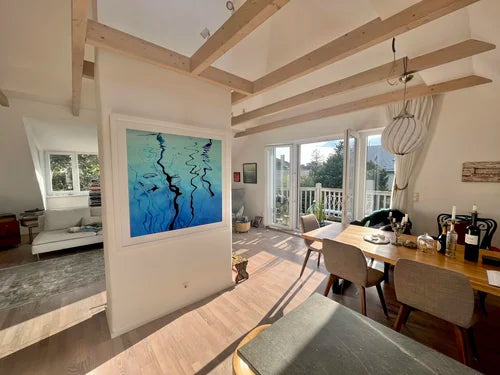
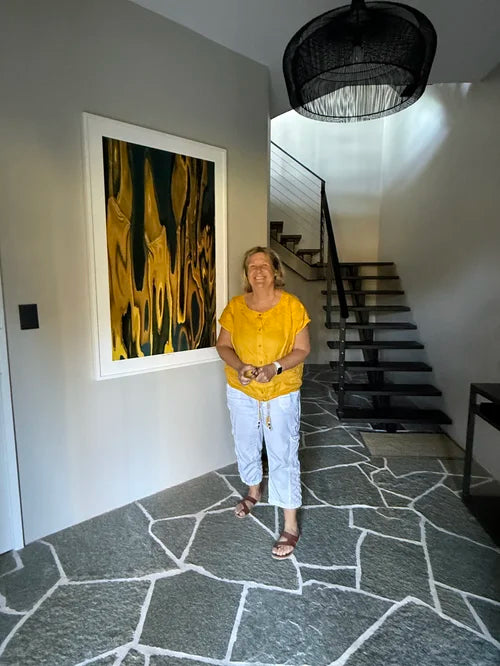
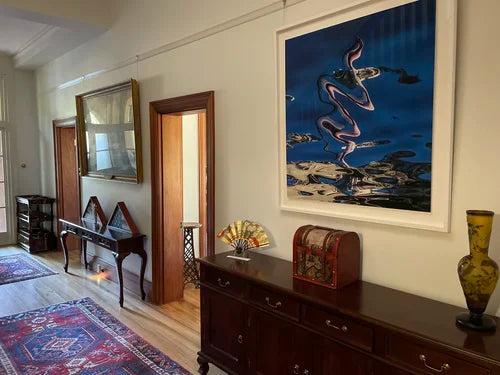
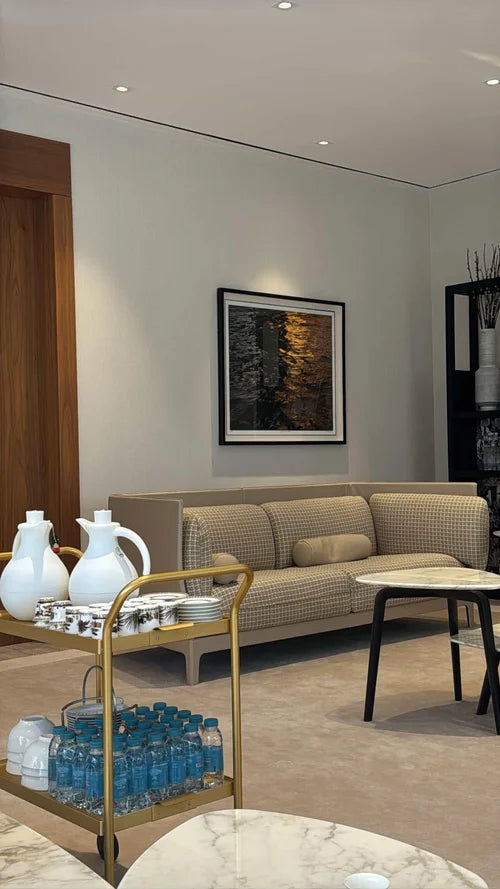
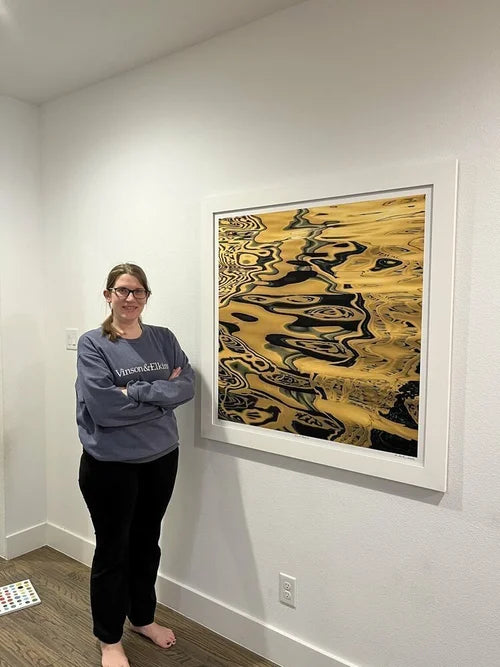
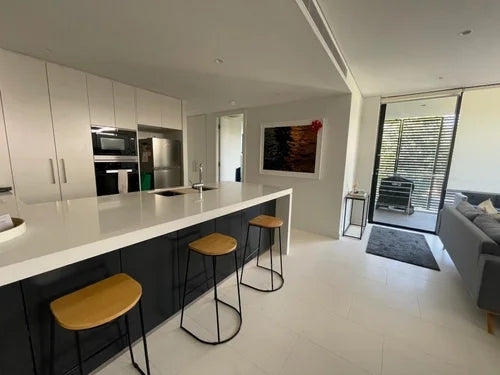
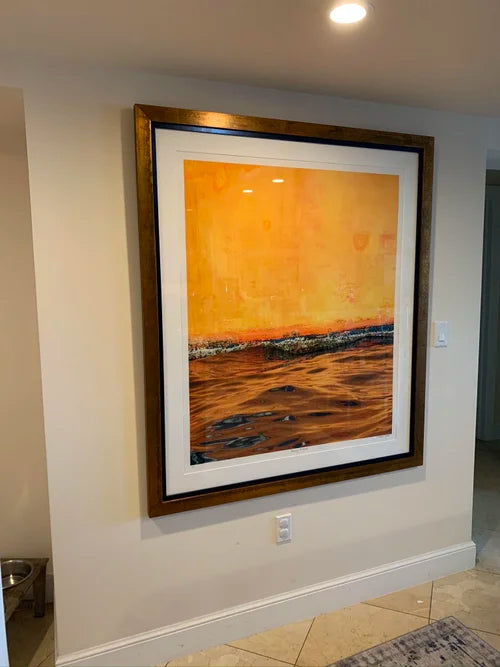
RALPH'S ART IN REAL LIFE