Sea Parrish and Why Some Images Stay
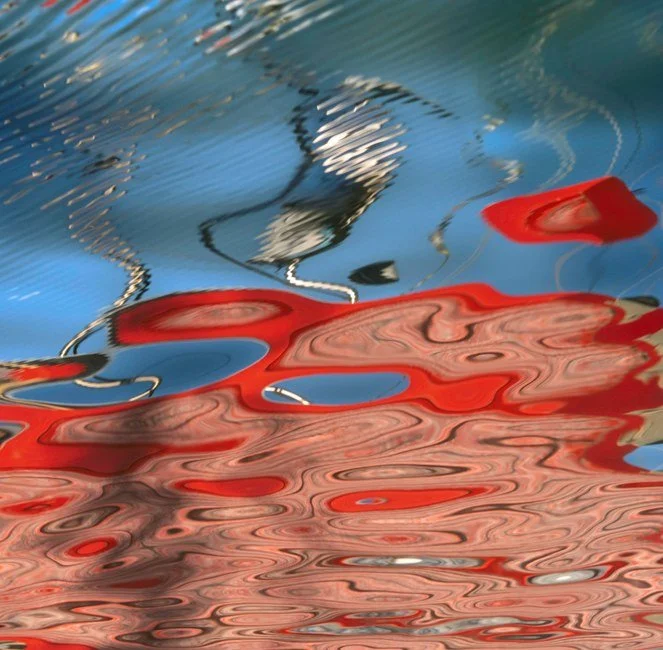
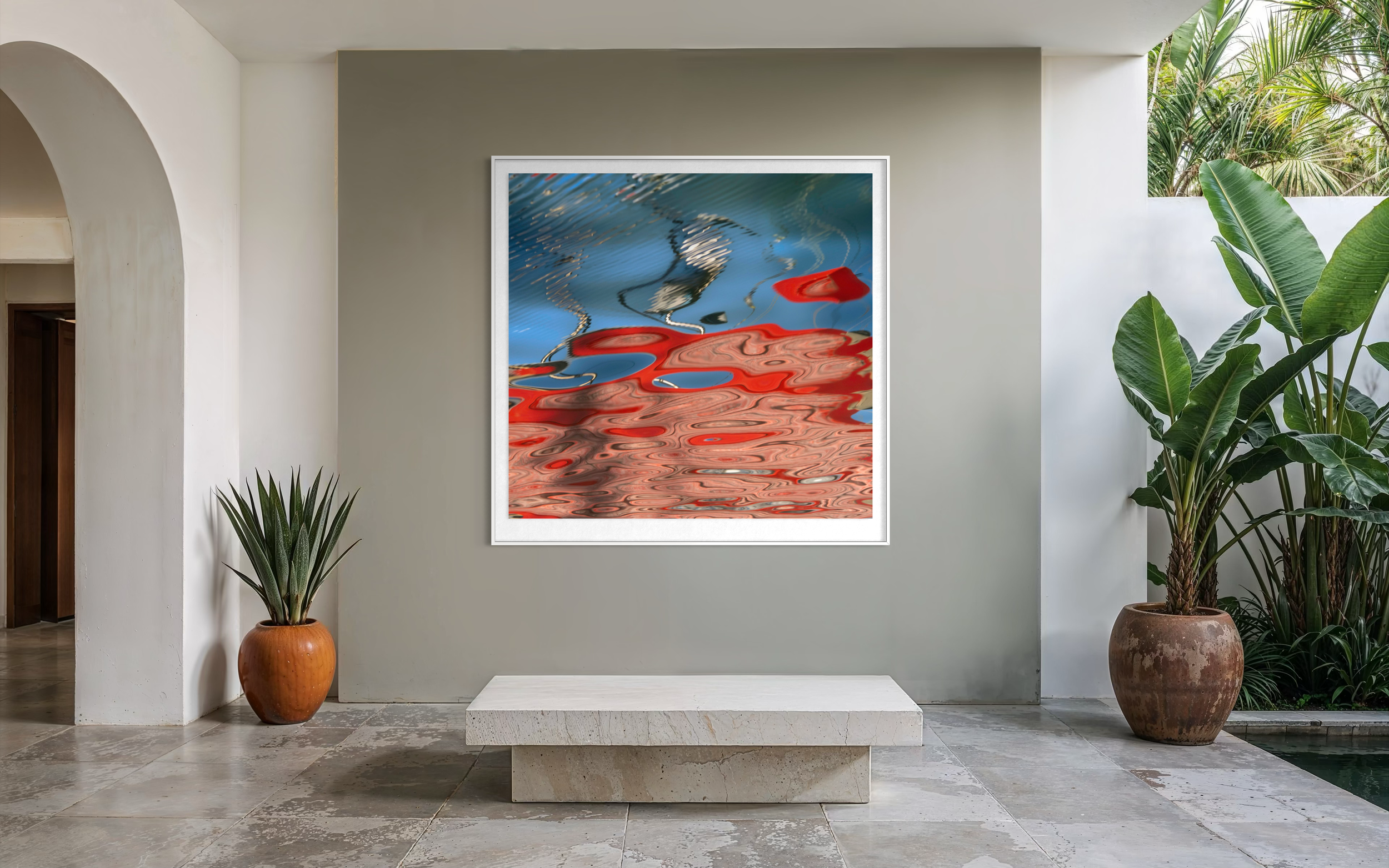
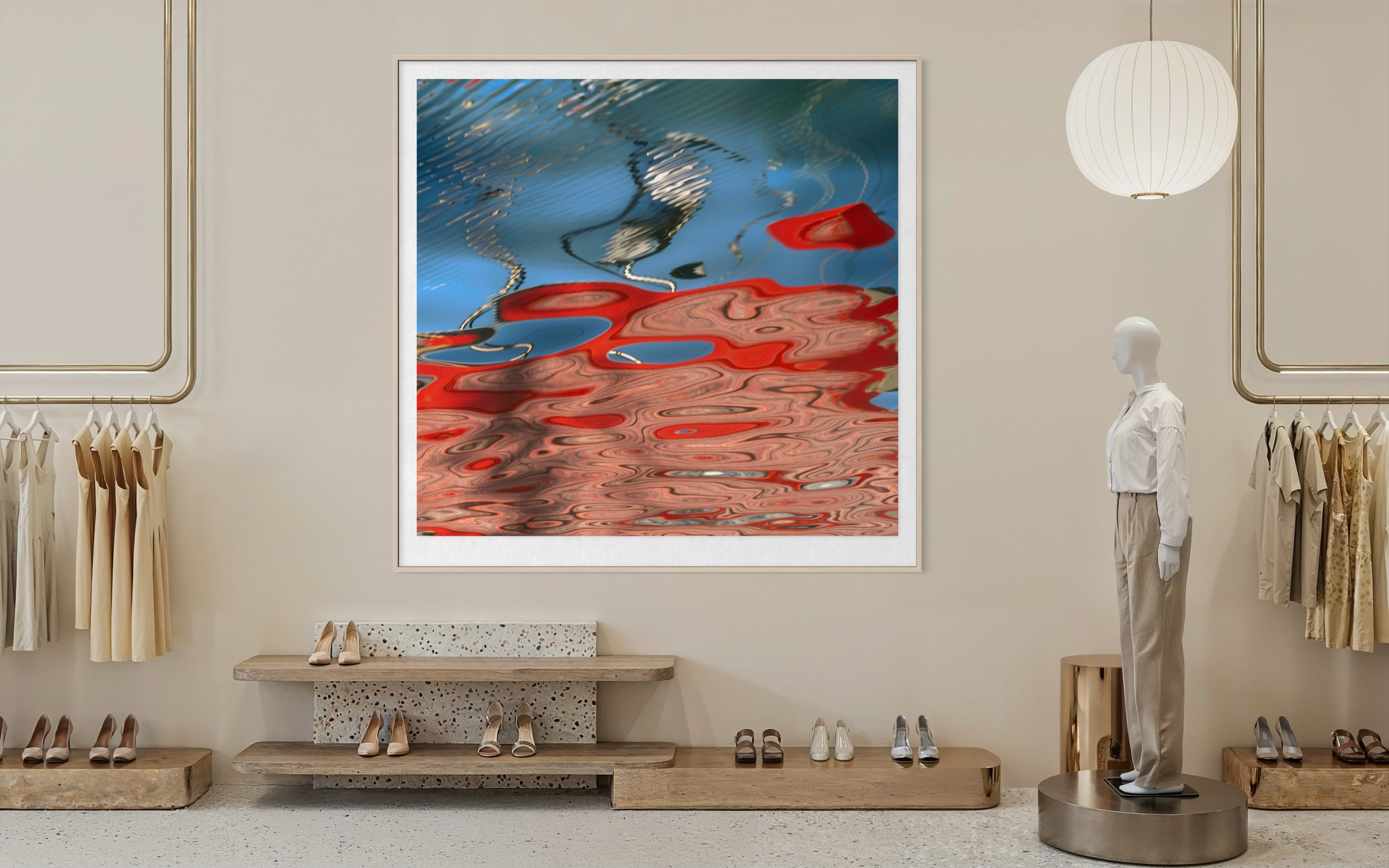
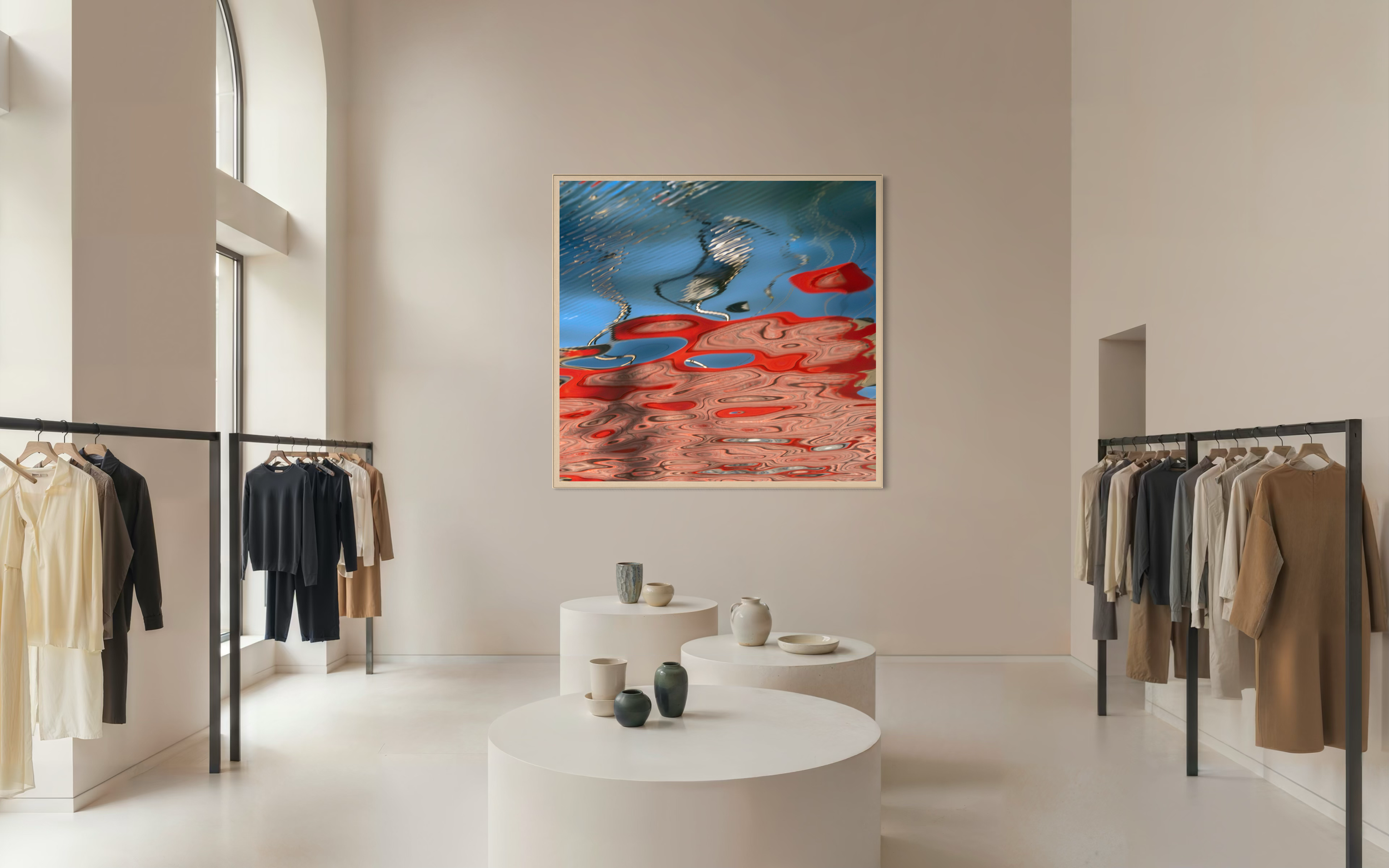
Sea Parrish, 100 × 110cm
When I looked at this work, Maxfield Parrish came back to me almost immediately. I had not been consciously thinking about him, yet there he was — rising out of colour, memory and feeling.
What interests me is why that happens. Why does one artist remain lodged in the mind for decades while others, equally admired, fade more softly into the background? I remember loving Parrish’s paintings long ago, but I cannot say exactly why they imprinted themselves so deeply. They just did. Somehow they settled into memory and stayed there.
It makes me think about the way the brain stores visual experience. Perhaps a powerful image enters us at the right moment and becomes fixed somewhere in the prefrontal cortex, or wherever memory, feeling and recognition meet. Over time it begins to feel less like something we once saw and more like part of our own internal visual language — almost like part of the brain’s DNA.
Maybe that is what viewers experience with certain works of art. Something in them bypasses explanation and simply stays. A colour, a mood, an atmosphere, a sense of stillness or strangeness — and from then on it becomes part of how we recognise the world.
That is what Sea Parrish stirred in me. The luminous blue, the strange floating forms, the almost dreamlike instability of the image — all of it triggered an old visual memory I had carried for years without fully knowing it. It reminded me that perception is never just about the present moment. It is also shaped by what the mind has loved and kept.